
Geoffrey Brow On Why the Best In-House Lawyers Learn To Fly The Plane With One Engine Burning
The future probably will not belong to the lawyers who memorize the most rules.
The future probably will not belong to the lawyers who memorize the most rules.

The old legal instinct to pause, assess, and draw hard boundaries no longer works.

Once you’ve got your law degree, how do you keep your professional skills up to date? Share your perspective in this brief survey, and you may be eligible to win a $250 gift card.

AI is changing outsourcing relationships faster than most organizations can adapt.

The lawyers who will thrive over the next decade are not necessarily the fastest researchers or the most efficient drafters.

Most people are improvising. Some are simply more honest about it.
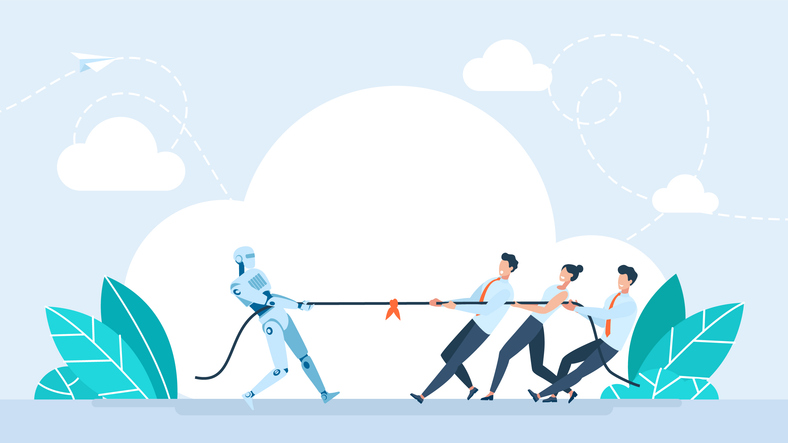
The question sounds hypothetical ... until it isn’t.

Grounded in authoritative content and verified at every step, Protégé is the only legal AI tool that delivers work you can trust—without exception.

Litigation is no longer managed solely as a sequence of isolated matters.

Contracts are not simply documenting AI relationships. They are structuring them.

Reputation has become contextual.

In modern litigation, that first move is increasingly made in-house.
Legal work isn’t slowing down, and the firms that win won’t be the ones working harder — they’ll be the ones working smarter.

AI agents are becoming more capable and more integrated into business processes.
Speed is easy to buy. Judgment is not.

Inviting in-house lawyers to talk about leadership is not just a scheduling exercise.

Every experienced litigator knows this, even if the profession rarely names it outright.
One size doesn't fit all.